One of the most persistent misconceptions in conversations about LGBTQ+ identity is the assumption that crossdressing and being gay are the same thing, or that one automatically implies the other. They are not the same, and untangling them is essential for anyone trying to understand the relationship between sexual orientation and gender expression. This article breaks down what each term actually means, where the overlap (and confusion) comes from, and why the distinction matters.
What “Gay” Actually Describes
The word gay refers to sexual orientation — a person’s enduring pattern of emotional, romantic, or sexual attraction. A gay man is attracted to other men; a gay woman (often identifying as lesbian) is attracted to other women. As the American Psychological Association explains in its guide to gender identity and gender expression, sexual orientation describes who you are drawn to, and it exists independently of how you dress, behave, or present yourself to the world.
Crucially, sexual orientation is about attraction, not appearance. Two gay men can have completely different styles, mannerisms, and wardrobes, and neither is “more” or “less” gay because of it.
What “Crossdressing” Actually Describes
Crossdressing (sometimes searched as “cross dressing,” “crossdresser,” or “CD”) refers to the practice of wearing clothing typically associated with a gender other than one’s assigned sex at birth. According to the PFLAG National Glossary of Terms, crossdressing carries no implications of sexual orientation or gender identity — anyone can crossdress. This single point undoes most of the confusion. The term has largely replaced the older word “transvestite,” which is now considered outdated and derogatory.
People crossdress for many reasons: personal comfort, self-expression, artistic performance, gender exploration, or simply because they enjoy it. Crossdressing is a form of gender expression — the outward presentation of clothing, grooming, and style — not a marker of who someone is attracted to.
The Key Distinction: Three Separate Concepts
To clear up the relationship, it helps to separate three commonly conflated ideas:
- Sexual orientation — who you’re attracted to (gay, straight, bisexual, etc.).
- Gender identity — your internal sense of being a man, woman, both, or neither.
- Gender expression — how you present outwardly, including clothing, which is where crossdressing fits.
A person can land anywhere on each of these independently. This is why, statistically, the majority of male crossdressers identify as heterosexual — many are straight and married. At the same time, plenty of gay men never crossdress at all. The two simply don’t track together.
Where the Confusion Comes From
If crossdressing and being gay are distinct, why do so many people link them? A few cultural reasons:
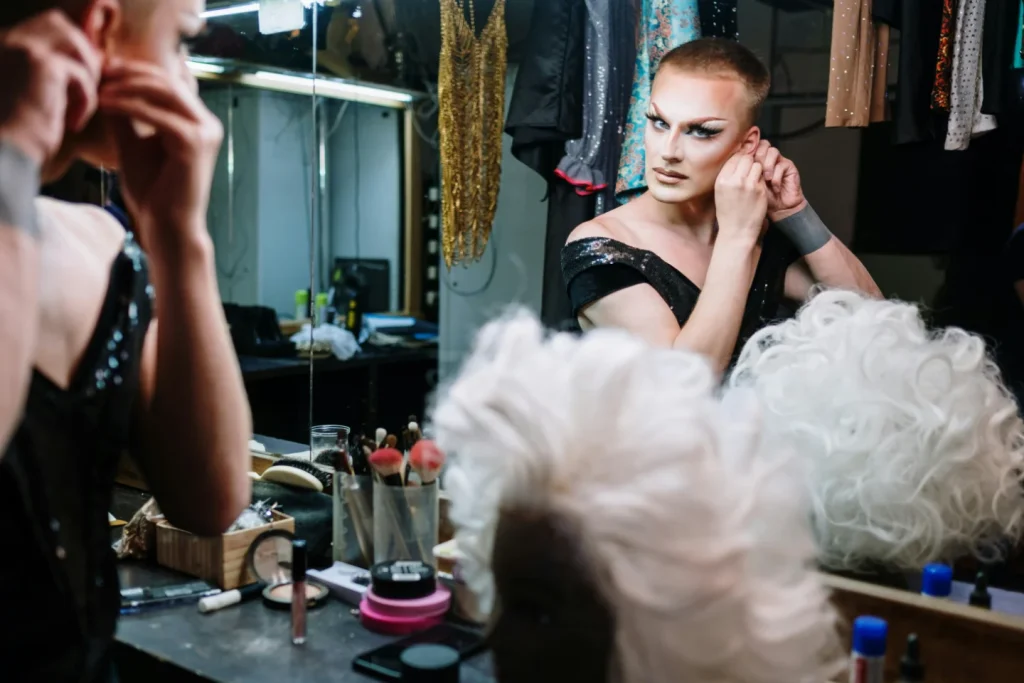
- Drag culture. Drag queens and drag kings are highly visible in LGBTQ+ communities, and drag involves dressing in exaggerated, theatrical gendered clothing. Because drag is associated with gay nightlife, observers often assume crossdressing equals gay. But drag is performance art — a distinct practice from everyday crossdressing, and drag performers can be any orientation.
- Stereotyping. Society has long policed masculinity and femininity, treating any deviation from gender norms as a “sign” of homosexuality. A man in a dress gets read as gay simply because the behavior breaks an expected gender script — not because of any actual link to attraction.
- Media shorthand. Films and TV have historically used crossdressing as visual shorthand for queerness, reinforcing the false equivalence.
Crossdressing, Transgender Identity, and Drag
Search terms like transgender, crossdresser, and drag queen often appear together, but they describe different things:
- A crossdresser typically identifies with their assigned sex and dresses in another gender’s clothing some of the time, without wishing to change their gender permanently.
- A transgender person has a gender identity that differs from the sex they were assigned at birth — this is about identity, not clothing.
- A drag performer adopts a heightened persona for entertainment.
Some crossdressers may later explore a transgender identity, and some do not. These are individual journeys, and none of them automatically reveals a person’s sexual orientation.
Can a Gay Person Be a Crossdresser? Of Course
Because these traits are independent, every combination exists. A gay man can be a crossdresser. A straight man can be a crossdresser. A gay man can have zero interest in crossdressing. A bisexual woman might enjoy masculine-presenting clothing. None of these combinations is a contradiction — they’re just different points across three separate spectrums.
The takeaway: you cannot determine someone’s sexual orientation by looking at their clothes, and you cannot assume someone’s wardrobe choices from knowing their orientation.
Why the Distinction Matters
Conflating crossdressing with being gay does real harm. It fuels stereotypes, leads straight crossdressers to feel pressured to “explain” themselves, and erases the diversity within both communities. For partners, family members, and friends, understanding that gender expression and sexual orientation are separate is the first step toward genuine acceptance rather than assumption.
For anyone navigating questions about their own identity — or supporting someone who is — reliable, judgment-free information is the best starting point.
Bottom Line
Gay describes attraction; crossdressing describes a clothing-based form of self-expression. They can coexist, but neither predicts the other. Recognizing that difference is fundamental to understanding gender, sexuality, and the rich variety of human identity.